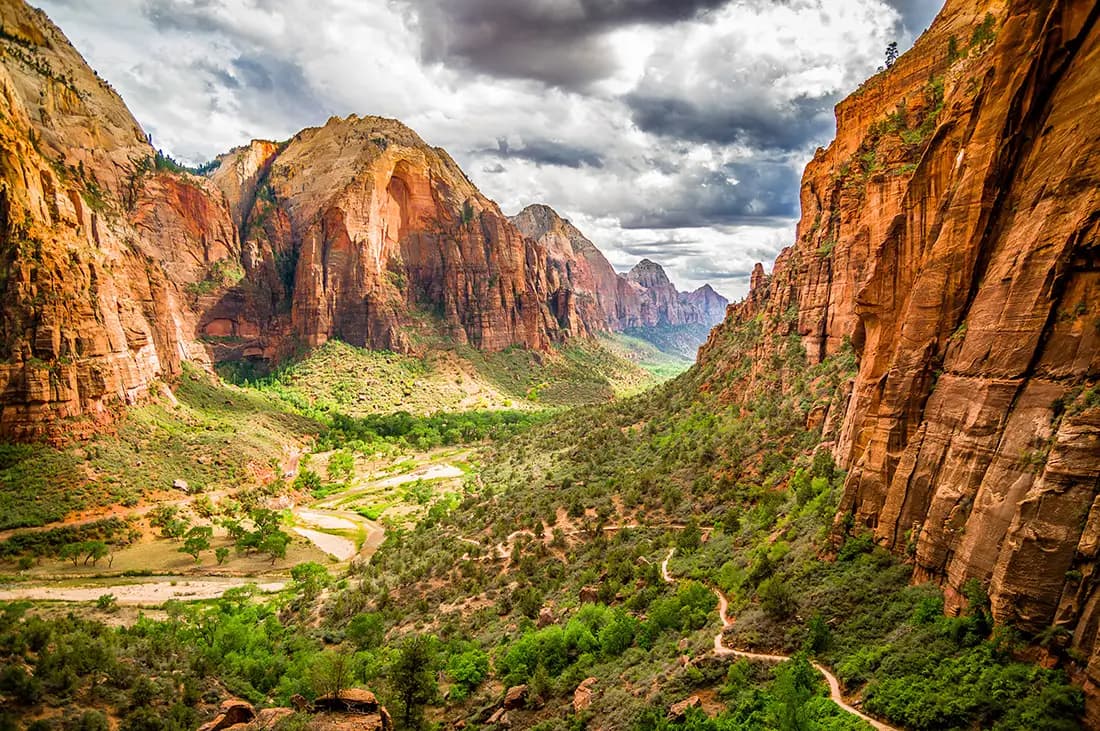
Utah, known for its stunning red rock formations, vast deserts, and towering mountain ranges, has a rich history intertwined with the pursuit of gold. The discovery of this precious metal in the 19th century not only shaped the state’s economic and cultural development but also left an indelible mark on its physical landscape. From the rugged canyons of the Colorado Plateau to the remote mountain ranges of the Wasatch and Uinta Mountains, the quest for gold has transformed Utah’s terrain in ways that are still visible today.
The Gold Rush Era: A Catalyst for Change
The story of gold in Utah begins in the mid-1800s, when prospectors and settlers began to explore the region in search of wealth. While Utah never experienced a gold rush as dramatic as California’s, the discovery of gold in places like Bingham Canyon and the Tushar Mountains sparked a wave of mining activity. These early mining efforts were often small-scale, with individual prospectors panning for gold in rivers and streams or digging shallow mines in the hillsides.
However, as mining technology advanced, so did the scale of operations. By the late 19th and early 20th centuries, large-scale mining companies had moved in, using heavy machinery and industrial techniques to extract gold and other minerals from the earth. This shift from small-scale prospecting to industrial mining had profound effects on Utah’s landscape.
Transforming the Land: Open Pits and Tailings
One of the most dramatic examples of gold’s impact on Utah’s landscape is the Bingham Canyon Mine, located southwest of Salt Lake City. Originally a gold and silver mine, Bingham Canyon eventually became one of the world’s largest copper mines. However, its origins in gold mining set the stage for the massive excavation that would follow. The mine, which is over half a mile deep and two and a half miles wide, is a stark reminder of the scale of human intervention in the natural environment.
In addition to open-pit mining, gold mining in Utah also led to the creation of tailings piles—mounds of waste rock and sediment left over from the extraction process. These tailings, often laden with heavy metals and other pollutants, have altered the soil composition and hydrology of many areas, affecting plant and animal life for decades.
Waterways and Ecosystems: The Environmental Toll
Gold mining in Utah has also had a significant impact on the state’s waterways. The process of extracting gold often involves the use of mercury and cyanide, which can leach into nearby rivers and streams, contaminating water supplies and harming aquatic ecosystems. In some cases, the diversion of water for mining operations has altered the flow of rivers, affecting both the landscape and the communities that depend on these water sources.
For example, the Jordan River, which flows through the Salt Lake Valley, has faced challenges related to pollution from mining activities. Efforts to clean up and restore these waterways are ongoing, but the legacy of gold mining continues to pose environmental challenges.
Cultural and Economic Legacy
While the environmental impact of gold mining in Utah is undeniable, it’s also important to recognize the cultural and economic legacy of this industry. The pursuit of gold brought settlers to the region, contributing to the growth of towns and cities. Mining towns like Park City, which initially thrived on silver and gold, have since evolved into vibrant communities with a rich cultural heritage.
Moreover, the wealth generated by gold mining helped fund infrastructure projects and economic development in Utah, laying the groundwork for the state’s modern economy. Today, Utah’s mining industry continues to play a significant role, though it has shifted its focus to other minerals like copper, lithium, and potash.
Preserving the Past, Protecting the Future
As Utah continues to grow and develop, the state faces the challenge of balancing economic interests with environmental preservation. Efforts to reclaim and restore old mining sites are underway, with organizations and government agencies working to mitigate the long-term impacts of gold mining on the landscape.
At the same time, Utah’s mining history serves as a reminder of the importance of sustainable practices in resource extraction. By learning from the past, Utah can ensure that its natural beauty and ecological health are preserved for future generations.
Conclusion
The impact of gold on Utah’s landscape is a story of transformation, both positive and negative. From the rugged mountains scarred by open-pit mines to the rivers altered by mining waste, the pursuit of gold has left a lasting imprint on the state’s terrain. Yet, it has also shaped Utah’s identity, contributing to its cultural heritage and economic development.
As we reflect on this history, it’s clear that the legacy of gold mining in Utah is a complex one—a testament to the power of human ambition and the enduring resilience of the natural world. By honoring this legacy and striving for a more sustainable future, Utah can continue to thrive while preserving the landscapes that make it so unique.