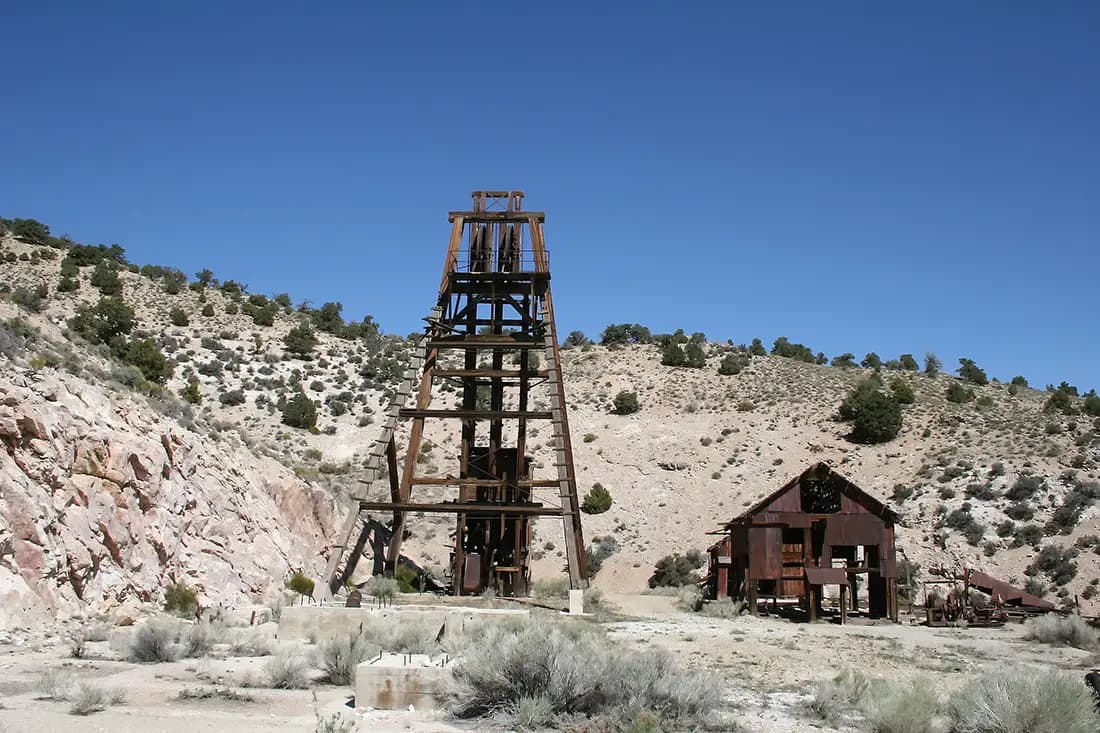
Utah, known for its stunning landscapes, rugged mountains, and vast deserts, has a rich and fascinating history of gold mining. While the state is more commonly associated with copper and silver, gold has played a significant role in shaping its economic and cultural development. From the early days of prospectors panning in mountain streams to large-scale mining operations, the story of gold in Utah is one of perseverance, discovery, and innovation.
The Early Days: Prospectors and Pioneers
The history of gold mining in Utah dates back to the mid-19th century, shortly after the arrival of Mormon pioneers in 1847. While the settlers were primarily focused on establishing communities and farming, rumors of gold in the nearby mountains began to spread. The first documented discovery of gold in Utah occurred in 1849 in Bingham Canyon, just southwest of Salt Lake City. However, Brigham Young, the leader of the Mormon settlers, discouraged mining activities, fearing it would distract from the community’s agricultural and religious goals.
Despite Young’s concerns, prospectors continued to search for gold. In the 1860s, the California Gold Rush and the discovery of silver in Nevada brought an influx of miners to the region. Small-scale gold mining operations began to emerge in areas like American Fork, Big Cottonwood Canyon, and the Uinta Mountains. These early miners relied on simple tools like pans, sluice boxes, and pickaxes to extract gold from placer deposits in riverbeds and streams.
The Boom Years: Industrialization and Expansion
The late 19th and early 20th centuries marked a turning point for gold mining in Utah. Advances in mining technology and the discovery of new deposits led to the development of large-scale operations. One of the most significant events during this period was the establishment of the Mercur Gold Mine in Tooele County.
Discovered in the 1870s, the Mercur deposit initially proved difficult to mine due to the complex nature of the ore. However, the introduction of the cyanide leaching process in the 1890s revolutionized gold extraction, making it economically viable to recover gold from low-grade ore. By the early 1900s, Mercur had become one of the most productive gold mines in the United States, producing millions of dollars worth of gold.
Another notable gold mining area was the Tintic District, located in Juab County. While primarily known for its silver and base metal deposits, the Tintic mines also yielded significant amounts of gold. The district’s rich ore bodies attracted major mining companies and helped establish Utah as a key player in the mining industry.
The Decline and Revival of Gold Mining
Like many mining regions, Utah’s gold industry faced challenges in the mid-20th century. Declining ore grades, rising production costs, and fluctuating gold prices led to the closure of many mines. The Mercur mine, for example, ceased operations in 1913 and remained dormant for decades.
However, the 1980s brought a resurgence of interest in gold mining, driven by rising gold prices and improved extraction technologies. The Mercur mine was reopened in 1983 as an open-pit operation, using modern heap leaching techniques to recover gold. The mine operated successfully until the late 1990s, producing over 2.5 million ounces of gold during its lifetime.
Gold Mining in Utah Today
While Utah is no longer a major gold producer on the scale of states like Nevada or Alaska, gold mining continues to play a role in the state’s economy. Small-scale placer mining is still practiced by recreational prospectors, particularly in areas like the Colorado River and its tributaries. Additionally, exploration companies continue to search for new gold deposits, leveraging advanced geological techniques to identify potential resources.
One of the most promising areas for future gold mining is the Goldstrike Mine, located in Washington County near the Arizona border. Discovered in the 1980s, the Goldstrike deposit is one of the largest undeveloped gold resources in the United States. While the mine has yet to enter production, it represents the potential for a new chapter in Utah’s gold mining history.
A Lasting Legacy
The history of gold mining in Utah is a testament to the enduring allure of this precious metal. From the early days of prospectors panning in mountain streams to the large-scale operations of the modern era, gold has left an indelible mark on the state’s landscape and economy. While the industry has evolved over time, the spirit of discovery and innovation that drove Utah’s early miners continues to inspire those who seek to uncover the treasures hidden beneath its rugged terrain.
Whether you’re a history buff, a geology enthusiast, or simply someone who appreciates the beauty of gold, Utah’s gold mining legacy is a story worth exploring. So the next time you gaze at the state’s majestic mountains, remember that beneath their surface lies a glittering history waiting to be discovered.